

30 July 2026
Tooth Decay and Cavities: How They Start and How to Stop Them
Decay is the most common dental problem there is, and the most misunderstood part of it is that early decay can be stopped and reversed. Once it becomes a hole, it cannot. That line is the difference between a fluoride application and a filling.
The short answer
Bacteria in plaque turn sugar into acid, and acid dissolves minerals out of enamel. Your saliva puts minerals back. Decay happens when the dissolving outpaces the repairing, which comes down to how often sugar reaches your teeth rather than how much you have at once. Caught while it is still a soft white or brown patch, it can remineralise. Once the surface collapses into a cavity, the tooth cannot rebuild it and it needs a filling, from £125.
What actually causes it
- Frequency, not quantity. This is the single most useful thing to understand. Each time sugar hits your teeth, acid is produced for a while afterwards. A whole chocolate bar in one sitting does less damage than the same bar eaten in six pieces across a day, because the second version keeps the acid attack running almost continuously.
- Sipping and grazing. A sugary or fizzy drink nursed over an hour at a desk is close to the worst thing you can do to your teeth. Even sugar-free fizzy drinks are acidic enough to erode enamel directly.
- Hidden sugars. Fruit juice, smoothies, dried fruit, cereal bars, flavoured yoghurt, sauces and sweetened coffees all count. Dried fruit is both sugary and sticky, which is a poor combination.
- Plaque left in the same places. Decay starts where plaque sits undisturbed: between teeth, in the grooves of back teeth, and around the edges of old fillings and crowns.
- A dry mouth. Less saliva means less natural repair and less rinsing. A very common and much underrated cause, particularly with medication. See our guide to dry mouth.
- Exposed root surface. Root has no enamel and decays considerably faster, which is why receding gums change your risk profile.
How you would know
Early decay has no symptoms at all. That is why examinations and X-rays exist, because decay between teeth is invisible to the eye until it is well advanced. By the time you feel something, it has usually reached the dentine.
Later signs: sensitivity to sweet things, a twinge on cold that fades quickly, food catching in a new spot, a visible dark mark or hole, or a rough edge you can feel with your tongue. Pain that lingers after cold, throbs, or wakes you at night suggests the nerve is involved, which moves the treatment from a filling to root canal treatment from £305. Our guide to toothache covers that stage.
What genuinely prevents it
- Fluoride toothpaste, twice a day, and do not rinse afterwards. Spit, do not rinse. Rinsing washes away the concentrated fluoride you have just applied, and this one change makes a measurable difference for free.
- Clean between your teeth once a day. Interdental brushes or floss. This is where most adult decay begins.
- Attack the frequency. Keep sugar to mealtimes. Four sugar exposures a day is far worse than one large dessert.
- Water or milk between meals. Nothing else, if you are prone to decay.
- Do not brush straight after anything acidic. Wait an hour, because softened enamel brushes away.
- Sugar-free gum after meals stimulates saliva, which is your repair system.
- Get seen at the interval you are told, which is the only way early decay is caught while it is still reversible.
What it costs
A new patient examination is £89 including X-rays, £60 thereafter. Composite fillings start from £125 and amalgam from £95. A crown is £600 to £620 where too much tooth has been lost for a filling to hold. On the NHS, fillings are Band 2 at £76.60. Our dental plan from £15.95 a month includes examinations and hygiene, which is the cheap end of this list by a wide margin. Everything is published on our fees page.
Frequently asked questions
Can tooth decay be reversed?
Early decay, yes. While it is still a demineralised patch with the surface intact, fluoride and a change in habits can rebuild it. Once the surface has broken and there is a cavity, no. The tooth cannot regrow enamel, so it needs filling.
Why do I get decay when I brush twice a day?
Usually one of three things: you are not cleaning between the teeth, you rinse your mouth after brushing, or the issue is how often you eat rather than how well you brush. Occasionally it is a dry mouth from medication. Any of those will out-pace good brushing.
Does a filling last forever?
No. Five to fifteen years is normal, and every filling eventually needs replacing. The bigger it is, the shorter that tends to be, which is the argument for catching decay small rather than large.
Are white fillings weaker than silver ones?
Modern composite is strong and bonds to the tooth, which lets us remove less of it. Amalgam still edges it for longevity under very heavy chewing load on large back-tooth cavities. Our guide to white filling costs covers the trade-off in full.
If something has started catching food or twinging on sweet things, that is the cheap stage to deal with it. Call us on 01625 574609.
Back to BlogComprehensive care for every smile.


General Dentistry
Personalised care designed around your oral health goals.

Cosmetic Dentistry
Restore, enhance, and transform your smile with confidence.

Dental Implants
Rediscover the confidence to smile, eat, and speak with ease.

Facial Aesthetics
Enhancing natural beauty with subtle, confidence-boosting treatments.
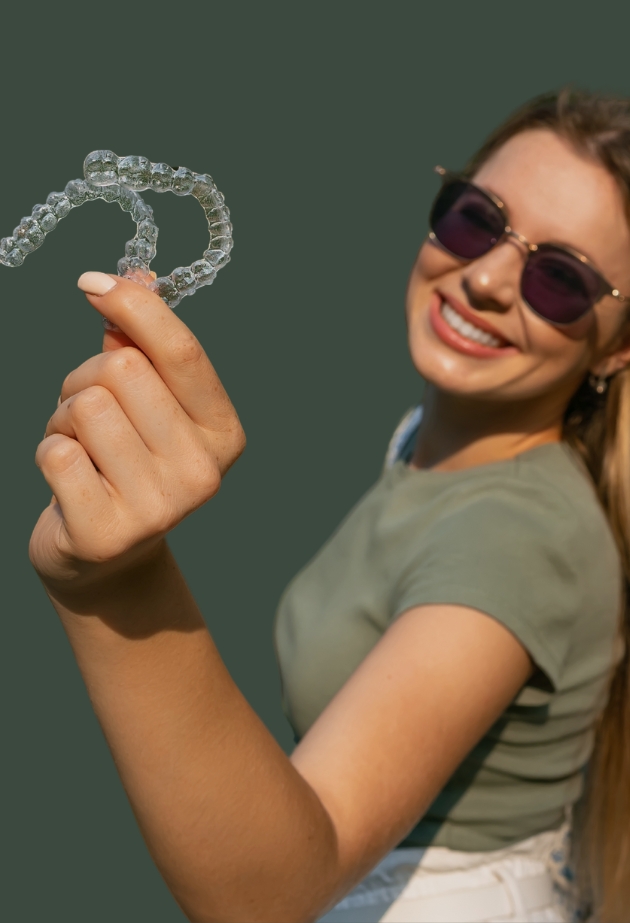
Clear Aligners
Enhance your smile with a modern, nearly invisible solution.
General Dentistry
Personalised care designed around your oral health goals.
Cosmetic Dentistry
Restore, enhance, and transform your smile with confidence.
Dental Implants
Rediscover the confidence to smile, eat, and speak with ease.
Facial Aesthetics
Enhancing natural beauty with subtle, confidence-boosting treatments.
Clear Aligners
Enhance your smile with a modern, nearly invisible solution.
Reviews
Trusted by our patients


“Unfailingly exceptional care from a finely honed team of expert practitioners. The assured manner in...”
Ellen M
“Fantastic care. My teenage daughter broke her front tooth badly. Within 4 hours of calling,...”
Peter M
“I hadn’t visited a dentist for many years as I wear dentures. However, I needed some new dentures, and as...”
Brian M
“Excellent! Top staff- experienced expert dentist with first-class bedside manner and pain-free...”
Alison T
“Such a great dentist! The staff are always super friendly and helpful, and they explain...”
Stevie L
“I have been a patient at Bollington Dental Practice for many years. The service I have received has always been...”
David A
“Bollington Dental has such a welcoming and friendly atmosphere. Everyone there is cheerful and helpful....”
Katie D
“I have to congratulate Ellie Burrows and the team at Bollington Dental. I had an old dental cap replaced after...”
Charles M
“Went in last week to get a set of retainers for whitening. It was so high-tech that I didn’t even...”
George H
“I moved to the Bollington area 10 years ago. After neglecting my teeth for several years, I needed treatment and...”
Donna C
“Fabulous service. I had a tooth extracted, and the pain got worse over 3 weeks. I rang up and was...”
Si C
“As always, 5 stars, all the way from booking, email and text confirmation to a friendly greeting on arrival and...”
Peter T
Reviews
Trusted by our patients
“Unfailingly exceptional care from a finely honed team of expert practitioners. The...”
Ellen M
“Fantastic care. My teenage daughter broke her front tooth badly. Within 4 hours of calling,...”
Peter M
“I hadn’t visited a dentist for many years as I wear dentures. However, I needed...”
Brian M
“Excellent! Top staff- experienced expert dentist with first-class bedside manner and pain-free...”
Alison T
“Such a great dentist! The staff are always super friendly and helpful, and they explain...”