

28 July 2026
Wisdom Teeth: Pain, Removal and What It Costs
Wisdom teeth arrive in your late teens or twenties, usually without asking, and often into a jaw with no room left for them. Here is when they genuinely need to come out, when they are best left alone, and what removal costs.
The short answer
A straightforward private wisdom tooth extraction in the UK typically costs £150 to £400. An impacted one needing surgery costs £300 to £1,000 or more, usually with an oral surgeon. At Bollington Dental Practice a straightforward extraction starts from £126; where a wisdom tooth is impacted or awkwardly placed we will tell you honestly and refer you to a surgeon rather than struggle with it. On the NHS, extraction sits in Band 2 at £76.60, and hospital referrals for surgical removal are free.
Why they cause so much trouble
- There is often no room. Modern jaws are smaller than our ancestors’, but we still grow the same number of teeth. A wisdom tooth with nowhere to go pushes against the tooth in front or stays trapped in the bone.
- Partly erupted is the worst position. A wisdom tooth half through the gum leaves a flap that traps food and bacteria and cannot be cleaned. The resulting infection, called pericoronitis, causes a swollen, throbbing jaw and is one of the most common reasons people ring us in pain.
- They decay easily. They sit right at the back where a toothbrush barely reaches. Decay in a wisdom tooth, or in the back of the healthy molar in front of it, is common and often painless until it is not.
- They are hard to treat. Filling or root treating a wisdom tooth is difficult simply because of access, which is why removal is more often the sensible answer for them than for other teeth.
Do they actually need to come out?
Not automatically, and this is worth knowing. National guidance in the UK is clear that wisdom teeth which are healthy and causing no problems should not be removed routinely, which was a change from the old practice of taking them out as a precaution. Surgery has risks and no operation is better than an unnecessary one.
Removal is indicated where there is repeated infection, decay in the wisdom tooth or the tooth in front of it, a cyst, or gum disease that cannot be controlled around it. If yours are through, cleanable and quiet, leaving them alone is a perfectly respectable plan. What they do need is keeping an eye on, which is what your check-up and X-rays are for.
What it costs
An examination with X-rays to see where the roots sit is £89 for new patients or £60 if you are with us already. A straightforward extraction starts from £126. Surgical removal of an impacted wisdom tooth is priced by the surgeon and depends on the difficulty. Our full price list is on the fees page, and you will always have the cost in writing first.
Every price, one place: our treatment cost checker covers the lot, from a hygiene visit to an implant, with honest notes on what affects the final figure.
Frequently asked questions
Does wisdom tooth removal hurt?
Not during, because it is done under local anaesthetic and you feel pressure rather than pain. Afterwards is a different matter, and lower wisdom teeth are sorer than most extractions. Expect a few days of swelling and stiffness, managed with ordinary painkillers, and plan to take it easy for a day or two rather than going straight back to the gym.
How long does recovery take?
Most people feel much better after three or four days and back to normal within a week to ten days. Swelling usually peaks around day two, which catches people out because they think it is getting worse. Do not smoke, rinse hard or use a straw for the first couple of days, as disturbing the clot causes a dry socket, which is genuinely painful.
Do wisdom teeth push your front teeth crooked?
This is the common belief and the evidence for it is surprisingly weak. Lower front teeth tend to crowd with age whether or not you have wisdom teeth. Removing healthy wisdom teeth purely to protect the front teeth is not a good reason on its own, and if straightening is the goal, clear aligners deal with it directly.
Can you take mine out here or will I be referred?
It depends entirely on the position and the roots, which is what the X-ray tells us. Upper wisdom teeth that are fully through are often straightforward. Lower impacted ones sit close to a nerve and are usually better handled by an oral surgeon. We will look, tell you which category yours falls into, and not talk you into something we should not be doing.
Lower wisdom teeth carry the highest risk of dry socket afterwards, so it is worth knowing the signs before you have one out.
If a wisdom tooth is flaring up, do not wait for it to become a swelling. Call us on 01625 574609; we keep time for urgent problems and can at least get you comfortable while we work out the plan.
Back to BlogComprehensive care for every smile.


General Dentistry
Personalised care designed around your oral health goals.

Cosmetic Dentistry
Restore, enhance, and transform your smile with confidence.

Dental Implants
Rediscover the confidence to smile, eat, and speak with ease.

Facial Aesthetics
Enhancing natural beauty with subtle, confidence-boosting treatments.
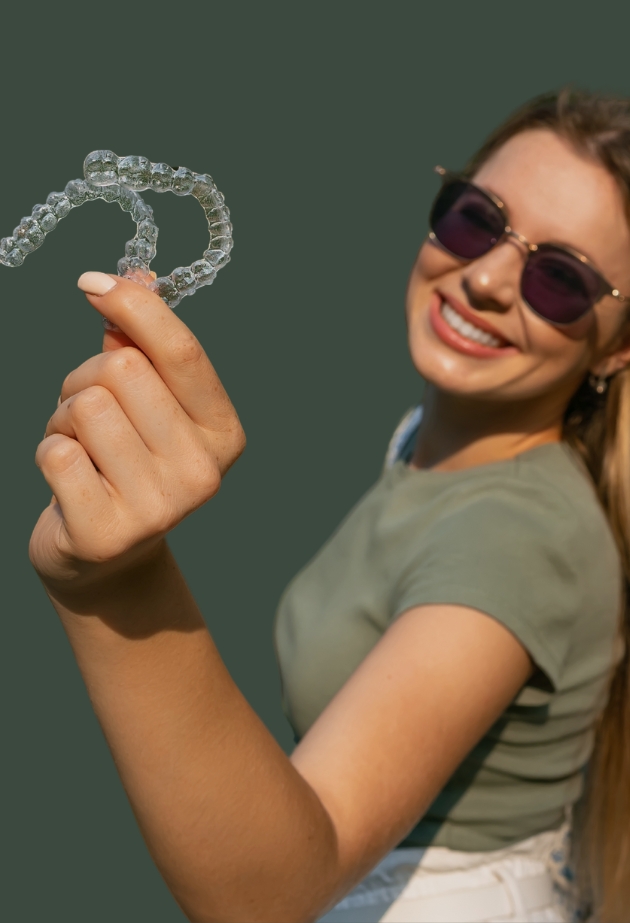
Clear Aligners
Enhance your smile with a modern, nearly invisible solution.
General Dentistry
Personalised care designed around your oral health goals.
Cosmetic Dentistry
Restore, enhance, and transform your smile with confidence.
Dental Implants
Rediscover the confidence to smile, eat, and speak with ease.
Facial Aesthetics
Enhancing natural beauty with subtle, confidence-boosting treatments.
Clear Aligners
Enhance your smile with a modern, nearly invisible solution.
Reviews
Trusted by our patients


“Unfailingly exceptional care from a finely honed team of expert practitioners. The assured manner in...”
Ellen M
“Fantastic care. My teenage daughter broke her front tooth badly. Within 4 hours of calling,...”
Peter M
“I hadn’t visited a dentist for many years as I wear dentures. However, I needed some new dentures, and as...”
Brian M
“Excellent! Top staff- experienced expert dentist with first-class bedside manner and pain-free...”
Alison T
“Such a great dentist! The staff are always super friendly and helpful, and they explain...”
Stevie L
“I have been a patient at Bollington Dental Practice for many years. The service I have received has always been...”
David A
“Bollington Dental has such a welcoming and friendly atmosphere. Everyone there is cheerful and helpful....”
Katie D
“I have to congratulate Ellie Burrows and the team at Bollington Dental. I had an old dental cap replaced after...”
Charles M
“Went in last week to get a set of retainers for whitening. It was so high-tech that I didn’t even...”
George H
“I moved to the Bollington area 10 years ago. After neglecting my teeth for several years, I needed treatment and...”
Donna C
“Fabulous service. I had a tooth extracted, and the pain got worse over 3 weeks. I rang up and was...”
Si C
“As always, 5 stars, all the way from booking, email and text confirmation to a friendly greeting on arrival and...”
Peter T
Reviews
Trusted by our patients
“Unfailingly exceptional care from a finely honed team of expert practitioners. The...”
Ellen M
“Fantastic care. My teenage daughter broke her front tooth badly. Within 4 hours of calling,...”
Peter M
“I hadn’t visited a dentist for many years as I wear dentures. However, I needed...”
Brian M
“Excellent! Top staff- experienced expert dentist with first-class bedside manner and pain-free...”
Alison T
“Such a great dentist! The staff are always super friendly and helpful, and they explain...”