


6 October 2026
Charcoal Toothpaste: Does It Whiten Teeth or Damage Them?
By the team at Bollington Dental Practice, under the clinical direction of Dr Ellie Burrows, Principal Dentist. Updated October 2026.
Black toothpaste is a strange thing to put on teeth you are hoping to make whiter, and that contradiction is a large part of its appeal. Charcoal toothpastes and powders are sold as natural, detoxifying and whitening, and plenty of people notice their teeth look a little brighter after the first few days. If you are using one, or wondering whether to, here is what charcoal can and cannot do, the risks dentists worry about, and the routes that actually change tooth colour without wearing your teeth away.
The short answer
Charcoal toothpaste can remove some surface staining, but it cannot change the natural colour of your teeth, and there is little good evidence to support the whitening claims made for it. The main concerns are that it can be abrasive, wearing enamel and exposing the yellower layer beneath, and that some products contain little or no fluoride, which leaves teeth less protected against decay. If you want whiter teeth, a fluoride toothpaste, a professional clean for stains, and dentist-led whitening are safer routes. Our at-home whitening with Philips Zoom is £375, following an examination.
What charcoal actually does to your teeth
It scrubs rather than whitens. Activated charcoal is a fine, porous powder. In toothpaste it acts mainly as a scrubbing agent, polishing away surface stains from tea, coffee, red wine and tobacco. That is why teeth can look brighter early on. Ordinary toothpastes also contain mild abrasives to do this job, so charcoal is doing something familiar rather than something new. What it does not do is reach the colour inside the tooth. Tooth colour comes mostly from the dentine beneath the enamel, and changing that requires a whitening agent, usually a peroxide, held against the teeth for a sustained period. Charcoal contains no such agent.
The “absorbs toxins” claim does not apply to teeth. Activated charcoal binds certain substances, which is why it has medical uses in hospitals for some types of poisoning. Brushing with it for two minutes does not draw stains out of enamel, and there is no evidence that it removes “toxins” from the mouth. Reviews of the research on charcoal toothpastes have generally concluded that there is not enough evidence to support either their whitening claims or their safety with long-term use.
The contrast effect. Some of the brightness people notice is simply contrast. Teeth look whiter for a while against the memory of a black paste, and any stain that is polished off makes a visible difference at first. After that first clean, a charcoal paste has little more to offer than a standard toothpaste.
The risks dentists worry about
Abrasion and enamel wear. Enamel does not grow back. If a toothpaste or powder is too abrasive, or is used with heavy brushing, it gradually wears enamel thinner. Because dentine is naturally more yellow, worn enamel can make teeth look darker over time, the opposite of what you wanted. Toothpastes are not required to show how abrasive they are on the packet, and charcoal products vary widely, with loose powders often the harshest. Worn enamel and exposed roots also tend to be more sensitive to cold. Our guide to sensitive teeth explains what helps if that has already started.
Missing fluoride. Fluoride toothpaste is the single most effective everyday protection against decay, and UK guidance recommends 1,350 to 1,500 ppm fluoride for adults. Some charcoal toothpastes now include fluoride, but many “natural” products and most charcoal powders do not. If a charcoal product replaces your normal toothpaste, you may be giving up that protection without realising it. Check the ingredients for sodium fluoride, sodium monofluorophosphate or stannous fluoride, and the strength in ppm.
Gum and filling edges. Charcoal particles can collect in the small gaps around fillings, crowns and veneers and along the gum line, and dentists sometimes see grey or black lines in these areas that are hard to remove. Scrubbing hard with an abrasive paste can also contribute to gums wearing back, especially if you already have thin gums.
Dental work does not change colour. Fillings, crowns, veneers and dentures do not whiten with any product, charcoal or peroxide. A charcoal paste may dull the polish on some of these materials, and if your natural teeth do get lighter, older white fillings can start to stand out.
If you still want to use it
If you like the idea of charcoal, a few precautions reduce the risks. Choose a toothpaste rather than a loose powder, and one that clearly contains fluoride at 1,350 to 1,500 ppm. Brush gently with a soft or medium brush rather than scrubbing. Consider using it only occasionally and keeping your regular fluoride toothpaste as your main one. Spit rather than rinse afterwards, so that the fluoride stays on your teeth. And stop if you notice new sensitivity, gums looking sore or receding, or grey lines appearing around fillings.
Charcoal products are not a good choice for children. Children need a fluoride toothpaste at the right strength for their age, brushing supervised by an adult until around the age of 7. If your child is keen on a black toothpaste because they have seen it online, a fun-flavoured fluoride toothpaste and a new brush usually win the argument.
Safer ways to get whiter teeth
Find out why your teeth are discoloured. Surface stains from food, drink and smoking respond to cleaning. Colour that comes from within, from genetics, ageing, some medicines in childhood, or enamel defects, needs whitening or cosmetic treatment instead. A single tooth that has turned darker than its neighbours should always be checked, as it can be a sign that the nerve inside has been damaged. Our guide to why teeth turn yellow explains the common causes.
A professional clean for stains. A hygienist can remove built-up surface stain and tartar far more effectively than any toothpaste, and for stubborn staining our Airflow treatment uses a fine powder, air and water spray to lift it. Our article on Airflow teeth cleaning explains how it works. Many people find their teeth look noticeably brighter after a clean alone.
Dentist-led whitening. Genuine whitening uses a peroxide gel that passes through the enamel and lightens the colour of the tooth from within. In the UK, whitening products containing more than 0.1% hydrogen peroxide can only be provided by a registered dental professional after an examination by a dentist, which is there to check your teeth and gums are healthy enough and that whitening is likely to give the result you are hoping for. Done properly, whitening is considered safe, and the most common side effect is temporary sensitivity. Our guide to whether teeth whitening is safe covers this in detail, and our article on at-home whitening kits explains how shop-bought products differ from dentist-supplied ones.
Everyday whitening toothpaste. Standard whitening toothpastes containing fluoride can help keep surface stain at bay, and may be a gentler everyday choice than charcoal. Like charcoal, they do not change the underlying colour of your teeth, so keep expectations modest.
What professional options cost
Here, teeth whitening with the Philips Zoom at-home system is £375, and it is carried out under the guidance of your dentist. You will need an examination first: £89 for new patients, including X-rays, or £60 for existing patients. Hygienist appointments are £60 for 20 minutes or £89 for 30 minutes, with the Airflow add-on at £20, and hygiene visits are available once you have had an examination with us within the last year. Our guide to teeth whitening costs in the UK compares typical options, and every price is on our fees page.
If you live in or around Macclesfield, our dentist in Macclesfield page explains how to join the practice, our fees and how to find us.
Frequently asked questions
Does charcoal toothpaste whiten teeth?
It can remove some surface staining, which may make teeth look slightly brighter at first, but it does not change the natural colour of the tooth. There is little good evidence to support stronger whitening claims. Genuine whitening uses a peroxide gel provided by a dental professional.
Is charcoal toothpaste bad for your teeth?
It can be. Some charcoal products are abrasive enough to wear enamel over time, which can make teeth look more yellow and feel more sensitive. Many also contain little or no fluoride. If you use one, choose a toothpaste with 1,350 to 1,500 ppm fluoride, brush gently and use it occasionally rather than as your only toothpaste.
Can I use charcoal toothpaste every day?
We would not recommend relying on it daily, because of the risk of enamel wear and because many products lack fluoride. A regular fluoride toothpaste should be your main one. If you enjoy charcoal, use a fluoride-containing version occasionally, brush gently and stop if you notice sensitivity or grey lines around fillings.
What is a safer way to whiten my teeth?
Start with a professional clean, as removing surface stain and tartar often brightens teeth noticeably. For a real change in colour, dentist-led whitening with a peroxide gel is the safe, legal route in the UK, after an examination. Here, Philips Zoom at-home whitening is £375.
Thinking about whitening?
If you would like whiter teeth without wearing them away, an examination will show what is causing the colour and which option will help most. Call us on 01625 574609. New patient examinations are £89 including X-rays, whitening is £375, and every price is on our fees page.
Back to BlogComprehensive care for every smile.


General Dentistry
Personalised care designed around your oral health goals.

Cosmetic Dentistry
Restore, enhance, and transform your smile with confidence.
Dental Implants
Rediscover the confidence to smile, eat, and speak with ease.

Facial Aesthetics
Enhancing natural beauty with subtle, confidence-boosting treatments.
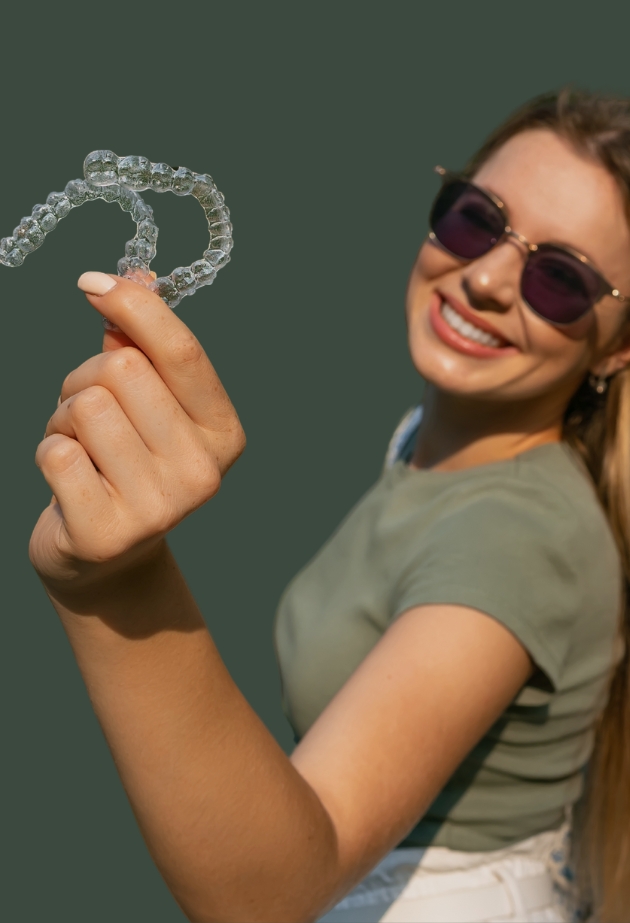
Clear Aligners
Enhance your smile with a modern, nearly invisible solution.
General Dentistry
Personalised care designed around your oral health goals.
Cosmetic Dentistry
Restore, enhance, and transform your smile with confidence.
Dental Implants
Rediscover the confidence to smile, eat, and speak with ease.
Facial Aesthetics
Enhancing natural beauty with subtle, confidence-boosting treatments.
Clear Aligners
Enhance your smile with a modern, nearly invisible solution.
Reviews
Trusted by our patients


“Unfailingly exceptional care from a finely honed team of expert practitioners. The assured manner in...”
Ellen M
“Fantastic care. My teenage daughter broke her front tooth badly. Within 4 hours of calling,...”
Peter M
“I hadn’t visited a dentist for many years as I wear dentures. However, I needed some new dentures, and as...”
Brian M
“Excellent! Top staff- experienced expert dentist with first-class bedside manner and pain-free...”
Alison T
“Such a great dentist! The staff are always super friendly and helpful, and they explain...”
Stevie L
“I have been a patient at Bollington Dental Practice for many years. The service I have received has always been...”
David A
“Bollington Dental has such a welcoming and friendly atmosphere. Everyone there is cheerful and helpful....”
Katie D
“I have to congratulate Ellie Burrows and the team at Bollington Dental. I had an old dental cap replaced after...”
Charles M
“Went in last week to get a set of retainers for whitening. It was so high-tech that I didn’t even...”
George H
“I moved to the Bollington area 10 years ago. After neglecting my teeth for several years, I needed treatment and...”
Donna C
“Fabulous service. I had a tooth extracted, and the pain got worse over 3 weeks. I rang up and was...”
Si C
“As always, 5 stars, all the way from booking, email and text confirmation to a friendly greeting on arrival and...”
Peter T
Reviews
Trusted by our patients
“Unfailingly exceptional care from a finely honed team of expert practitioners. The...”
Ellen M
“Fantastic care. My teenage daughter broke her front tooth badly. Within 4 hours of calling,...”
Peter M
“I hadn’t visited a dentist for many years as I wear dentures. However, I needed...”
Brian M
“Excellent! Top staff- experienced expert dentist with first-class bedside manner and pain-free...”
Alison T
“Such a great dentist! The staff are always super friendly and helpful, and they explain...”