


30 July 2026
Why Are My Teeth Yellow? Stains, Shade and What Actually Works
There are two completely different reasons teeth look darker than you would like, and they need two completely different treatments. Working out which one you have saves both money and disappointment.
The short answer
Staining on the tooth comes off with cleaning. Colour in the tooth does not, and needs whitening. If your teeth are dulled by tea, coffee, red wine or tobacco, a hygiene visit with Airflow will lift it, and that is £60 to £89 plus a £20 add-on. If your teeth are simply a darker natural shade, no amount of cleaning or whitening toothpaste will change it, and professional whitening at £375 is the treatment that will.
Surface staining, which cleaning removes
- Tea and coffee. Tannins bind to the film that forms on enamel. Tea is worse than coffee for most people.
- Red wine, curry, soy sauce and balsamic. Strongly pigmented and they cling.
- Tobacco. The heaviest and most stubborn staining of the lot, both smoked and chewed.
- Chlorhexidine mouthwash. Effective for gums, but it stains teeth brown with prolonged use. Worth knowing if you have been prescribed it.
- Plaque and tartar. Deposits pick up stain themselves and then hold it against the tooth, so cleaning them off often makes a bigger visible difference than people expect.
Internal colour, which cleaning cannot touch
- Age. The main one. Enamel thins over the years and the dentine underneath, which is naturally yellow, darkens and shows through more. This is normal and it is not a hygiene failure.
- Your natural shade. Teeth vary from the start, and very white is not the default state. Enamel is translucent, so genuinely thin enamel can look greyer.
- Trauma. A single darker tooth after a knock usually means the nerve has been affected, sometimes years earlier. That needs assessing rather than whitening.
- Tetracycline. Antibiotics taken in childhood can leave grey or banded discolouration that responds poorly to whitening and may need veneers.
- Fluorosis. The usual cause of chalky white patches rather than yellow ones, from too much fluoride while teeth were forming.
A word on white marks specifically
White patches are not the same problem as yellowing and they matter more, because as well as fluorosis they can be early demineralisation, which is decay before it has become a cavity. At that stage it is reversible with fluoride and better cleaning. So a new white mark, particularly along the gumline or around orthodontic brackets, is worth showing us rather than trying to bleach away.
What does not work
Whitening toothpastes are mildly abrasive and remove some surface film. They cannot change the colour of the tooth itself, whatever the packaging implies. Charcoal products are abrasive without being effective and can wear enamel, which makes teeth look darker over time rather than lighter. Baking soda and lemon juice are worse again: acid softens enamel and scrubbing it then removes it permanently.
Shop-bought whitening kits in the UK are limited by law to 0.1% hydrogen peroxide, which is far too low to do much. And it is illegal for anyone who is not a registered dental professional to whiten teeth, whatever a beauty salon may advertise.
What it costs
A hygiene appointment is £60 for twenty minutes or £89 for thirty, with Airflow at £20 on top, and that is what to try first if there is visible staining. Professional at-home whitening with Philips Zoom is £375 including custom trays. A new patient examination is £89 including X-rays, and we would want to see the teeth before whitening anything, because whitening over untreated decay or inflamed gums is uncomfortable and pointless. Full list on the fees page.
Frequently asked questions
Will a hygiene appointment whiten my teeth?
It will return them to their natural shade, which is often noticeably brighter than people expect, especially if there is years of tea or coffee staining. It cannot take them lighter than their natural colour. That is the honest dividing line between cleaning and whitening.
Why is one tooth darker than the rest?
Most often because the nerve inside it has died, frequently after a knock that may have been years ago. It does not always hurt. It needs an X-ray rather than whitening, because the treatment is usually root canal first and then internal whitening or a crown.
Do whitening toothpastes work?
For surface film, marginally. For the colour of the tooth, no. They contain mild abrasives, not the peroxide concentrations needed to change tooth shade, and some are abrasive enough to be worth avoiding for daily long-term use.
Is whitening safe for enamel?
Yes, when it is professionally prescribed at the correct concentration with trays made to fit your teeth. Temporary sensitivity is common and settles within days. See our fuller answer on whether whitening is safe.
If you are not sure which of the two problems you have, that is exactly what a look will tell you. Call us on 01625 574609 and we will give you a straight answer, including when the answer is that cleaning is all you need.
Back to BlogComprehensive care for every smile.


General Dentistry
Personalised care designed around your oral health goals.

Cosmetic Dentistry
Restore, enhance, and transform your smile with confidence.

Dental Implants
Rediscover the confidence to smile, eat, and speak with ease.

Facial Aesthetics
Enhancing natural beauty with subtle, confidence-boosting treatments.
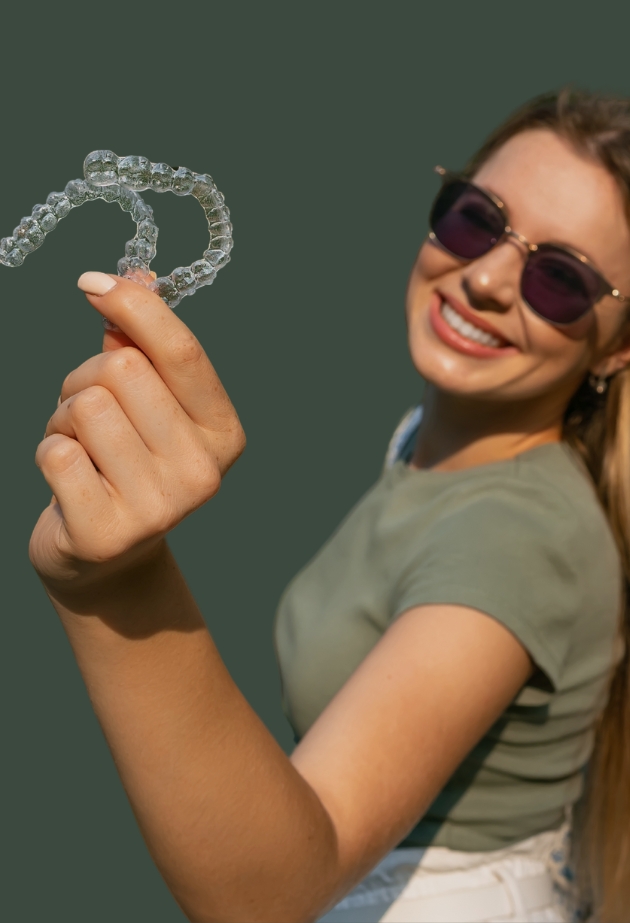
Clear Aligners
Enhance your smile with a modern, nearly invisible solution.
General Dentistry
Personalised care designed around your oral health goals.
Cosmetic Dentistry
Restore, enhance, and transform your smile with confidence.
Dental Implants
Rediscover the confidence to smile, eat, and speak with ease.
Facial Aesthetics
Enhancing natural beauty with subtle, confidence-boosting treatments.
Clear Aligners
Enhance your smile with a modern, nearly invisible solution.
Reviews
Trusted by our patients


“Unfailingly exceptional care from a finely honed team of expert practitioners. The assured manner in...”
Ellen M
“Fantastic care. My teenage daughter broke her front tooth badly. Within 4 hours of calling,...”
Peter M
“I hadn’t visited a dentist for many years as I wear dentures. However, I needed some new dentures, and as...”
Brian M
“Excellent! Top staff- experienced expert dentist with first-class bedside manner and pain-free...”
Alison T
“Such a great dentist! The staff are always super friendly and helpful, and they explain...”
Stevie L
“I have been a patient at Bollington Dental Practice for many years. The service I have received has always been...”
David A
“Bollington Dental has such a welcoming and friendly atmosphere. Everyone there is cheerful and helpful....”
Katie D
“I have to congratulate Ellie Burrows and the team at Bollington Dental. I had an old dental cap replaced after...”
Charles M
“Went in last week to get a set of retainers for whitening. It was so high-tech that I didn’t even...”
George H
“I moved to the Bollington area 10 years ago. After neglecting my teeth for several years, I needed treatment and...”
Donna C
“Fabulous service. I had a tooth extracted, and the pain got worse over 3 weeks. I rang up and was...”
Si C
“As always, 5 stars, all the way from booking, email and text confirmation to a friendly greeting on arrival and...”
Peter T
Reviews
Trusted by our patients
“Unfailingly exceptional care from a finely honed team of expert practitioners. The...”
Ellen M
“Fantastic care. My teenage daughter broke her front tooth badly. Within 4 hours of calling,...”
Peter M
“I hadn’t visited a dentist for many years as I wear dentures. However, I needed...”
Brian M
“Excellent! Top staff- experienced expert dentist with first-class bedside manner and pain-free...”
Alison T
“Such a great dentist! The staff are always super friendly and helpful, and they explain...”